
Pro Tips
From Food Waste to Profit: How Hospitality Businesses Can Improve Margins Through Smarter Operations
Food waste is not only an environmental problem. It is also a business problem.

In short
Food waste is not only an environmental issue, but also a direct cost for hospitality businesses.
Measuring what gets thrown away is the first step to understanding where waste happens and why.
Small operational improvements in purchasing, production, portioning, storage and staff routines can significantly reduce unnecessary losses.
Surplus food can also become a source of recovered revenue through solutions such as Too Good To Go.
For restaurants, cafés, hotels and bakeries, reducing food waste is both a sustainability measure and a practical way to improve profitability.
For restaurants, cafés, hotels, bakeries and other hospitality businesses, every item of food that ends up in the bin represents more than waste. It represents lost purchasing costs, unnecessary labour, weaker margins and less operational control. In an industry where profitability is often under pressure, reducing food waste can be one of the most practical ways to improve both sustainability and the bottom line.
The UNEP Food Waste Index Report 2024 highlights the importance of better measurement as a foundation for understanding the scale of food waste and identifying the right actions to reduce it. In other words, the first step is often the simplest one: get a clear overview of what is being wasted, when it happens and why.
When a hospitality business starts tracking food waste systematically, patterns become easier to see. Are portions too large? Is too much food being prepared during quiet periods? Are buffets being overfilled? Are ingredients expiring before they are used? Are staff routines around storage, date labelling and production planning consistent enough?
Once these questions can be answered with real data, it becomes much easier to make better decisions.
WRAP, one of the leading organisations working on food waste reduction, also points to measurement and reporting as a key part of an effective food waste reduction strategy for the hospitality and food service sector. Their guidance focuses on helping businesses understand what to measure, how to measure it and how to use that insight to reduce waste in practice.
For most businesses, reducing food waste does not require a complete operational overhaul. Often, the biggest improvements come from small, consistent changes: better purchasing routines, more accurate production planning, smarter menu design, improved stock rotation, better use of ingredients across dishes and clearer staff training.
These measures can quickly translate into lower costs. Less overproduction means fewer raw materials are wasted. Better planning means less money tied up in stock that never gets sold. Stronger routines mean fewer avoidable mistakes. Over time, food waste reduction becomes less about “doing something green” and more about running a sharper, more profitable business.
There is also a revenue opportunity in surplus food.
Platforms such as Too Good To Go have made this especially relevant for hospitality businesses. The company describes its app as the world’s largest marketplace for surplus food, allowing businesses to sell food that would otherwise remain unsold at the end of the day. For cafés, restaurants, bakeries and other venues, this can turn potential waste into recovered value, while also introducing the business to new customers.
This is where food waste can be turned into profit. Not because businesses should “make money from waste”, but because they can reduce unnecessary losses, improve purchasing decisions, use ingredients more intelligently and recover value from surplus food that would otherwise be thrown away.
For hospitality businesses looking to improve profitability, food waste should therefore not be seen only as a sustainability issue. It is a concrete operational improvement area with a direct impact on margins, efficiency and control.
Practical steps to reduce food waste
- Measure what gets thrown away
Track what is wasted, when it happens and where in the operation it occurs. - Adjust purchasing and production based on real demand
Use actual consumption patterns to avoid over-ordering and overproduction. - Review portion sizes and menu design
Identify dishes, ingredients or serving formats that regularly lead to waste. - Improve routines for storage, labelling and stock rotation
Clear routines help prevent avoidable waste caused by expired or poorly stored ingredients. - Train employees in everyday waste reduction
Small actions from staff can make a significant difference when repeated consistently. - Use surplus food more intelligently
Look for ways to reuse ingredients safely and creatively across the menu. - Consider platforms such as Too Good To Go
Selling surplus food can help recover value from products that would otherwise be lost.
The businesses that succeed with food waste reduction are often those that treat it as part of daily operations, not as a separate sustainability project. With the right overview, routines and tools, less food ends up in the bin — and more value stays in the business.

Related articles
Success Stories
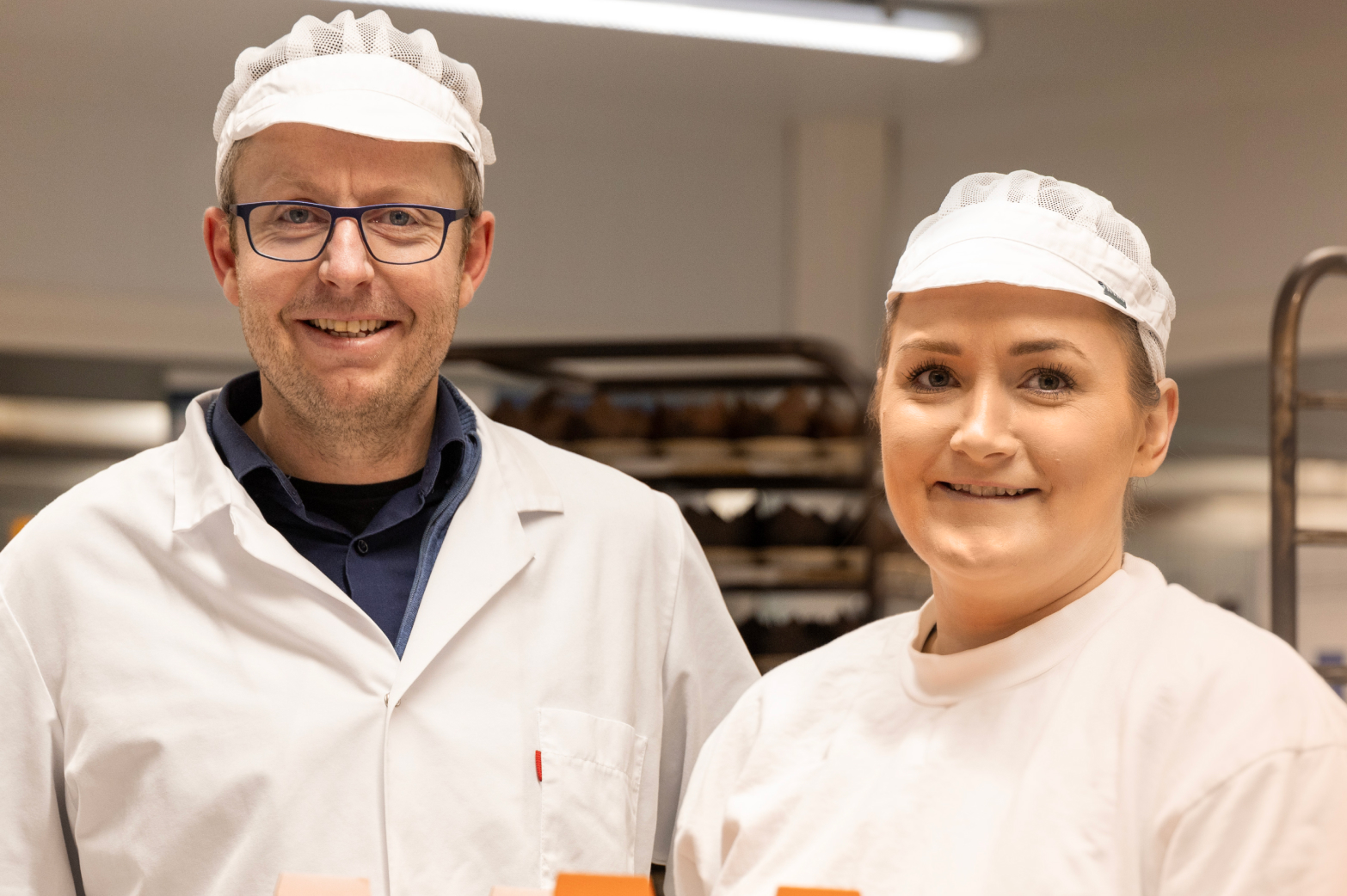
Haugli Bakeri – 100 years of craftsmanship and quality
Haugli Bakeri has been baking artisanal breads and pastries for over 100 years. To uphold quality and meet modern regulations, they chose Runwell. The system helps them manage food safety, HSE, deviations and training while preserving their legacy.

Stay up to date
Industry insights straight to your inbox
Practical insights and smart improvements to simplify hospitality operations. We'll also keep you updated on relevant news from Runwell.